

When the rain keeps coming, most property owners worry about roofs and yards first. Plumbing often gets overlooked until a sink backs up or a drain smells off. Heavy rainfall puts stress on pipes below ground and inside the home, and those changes can show up fast. We see this pattern often across Southwest Florida, and it is one reason people start searching for a plumber in Fort Myers, FL, after long storms.
As a local team at The Plumber's Plumber, we spend a lot of time explaining what rain does to plumbing and what signs matter.
Saturated Ground Changes Pipe Behavior
When soil becomes saturated, it shifts and presses against underground lines. The U.S. Environmental Protection Agency reports that excess rain can overload sewer systems and lead to backups in connected properties. A trusted plumbing company sees how this pressure can affect older pipes, especially clay or cast iron lines that rely on stable soil to stay aligned.
Stormwater Finds Its Way Inside
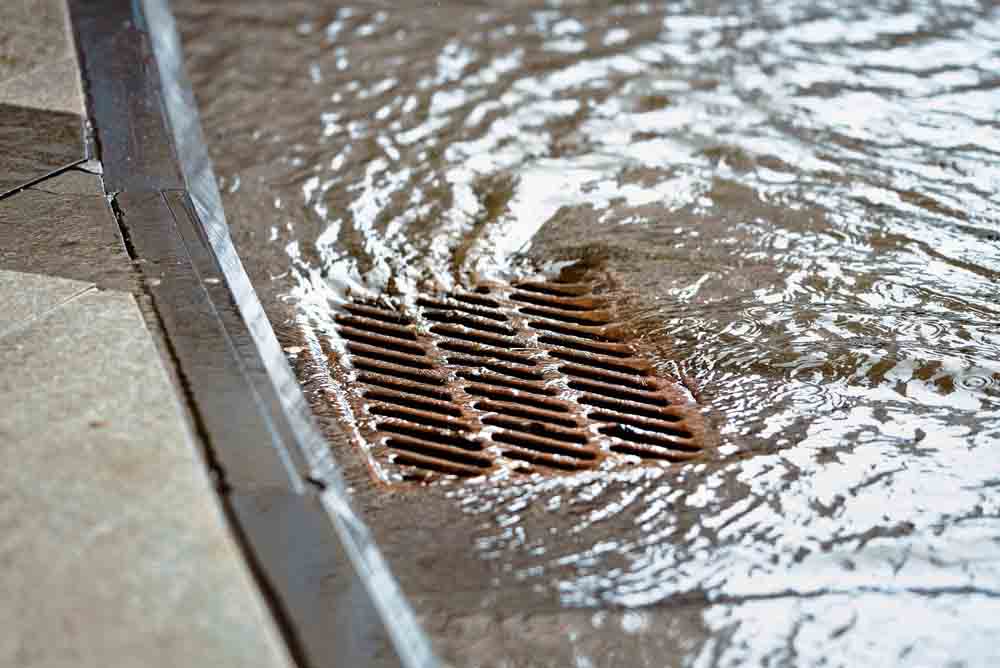
Heavy rain raises groundwater levels. The U.S. Geological Survey notes that water tables can rise quickly after intense rainfall, pushing water toward basements, crawl spaces, and pipe joints. During these conditions, plumbing services often focus on drains that suddenly move slower or gurgle, which can signal water entering places it should not.
Roof Drainage Ties Into Interior Plumbing
Gutters, downspouts, and sump systems move large volumes of water during storms. FEMA data shows that poor drainage is a common factor in residential water damage after heavy rain events. When these systems connect to household drains, plumbing repairs may be needed if debris or sediment gets pushed into interior lines.
Rain Accelerates Wear Already in Progress
Water carries soil, sand, and organic matter. As that material shifts, it can scrape pipe surfaces or settle where pipes already have weak points. Industry studies from civil engineering programs have shown that repeated wet and dry cycles speed up corrosion and joint separation. These moments often trigger calls for emergency plumbing when drains stop working without warning.
FAQs
Can heavy rain cause sewer backups?
Yes. When public sewer systems fill with stormwater, pressure can push waste back toward connected homes.
Why do drains smell worse after storms?
Rain can disturb debris inside pipes, releasing trapped gases that move back through drains.
Should I check plumbing after a big storm?
It helps to watch for slow drains, new odors, or damp areas near fixtures.
Are older homes more affected by heavy rain?
Homes with aging pipe materials or outdated drainage layouts tend to show issues sooner.
Heavy rain is part of life here, and knowing how plumbing reacts makes a real difference. We believe in straight answers, clear communication, and showing up ready to work. As a family-run, licensed team with deep local roots, The Plumber's Plumber focuses on long-term relationships, transparent pricing, and workmanship that reflects pride in the trade. If your system feels off after the storms, talking with professionals who understand local conditions can bring clarity and confidence back to your home.